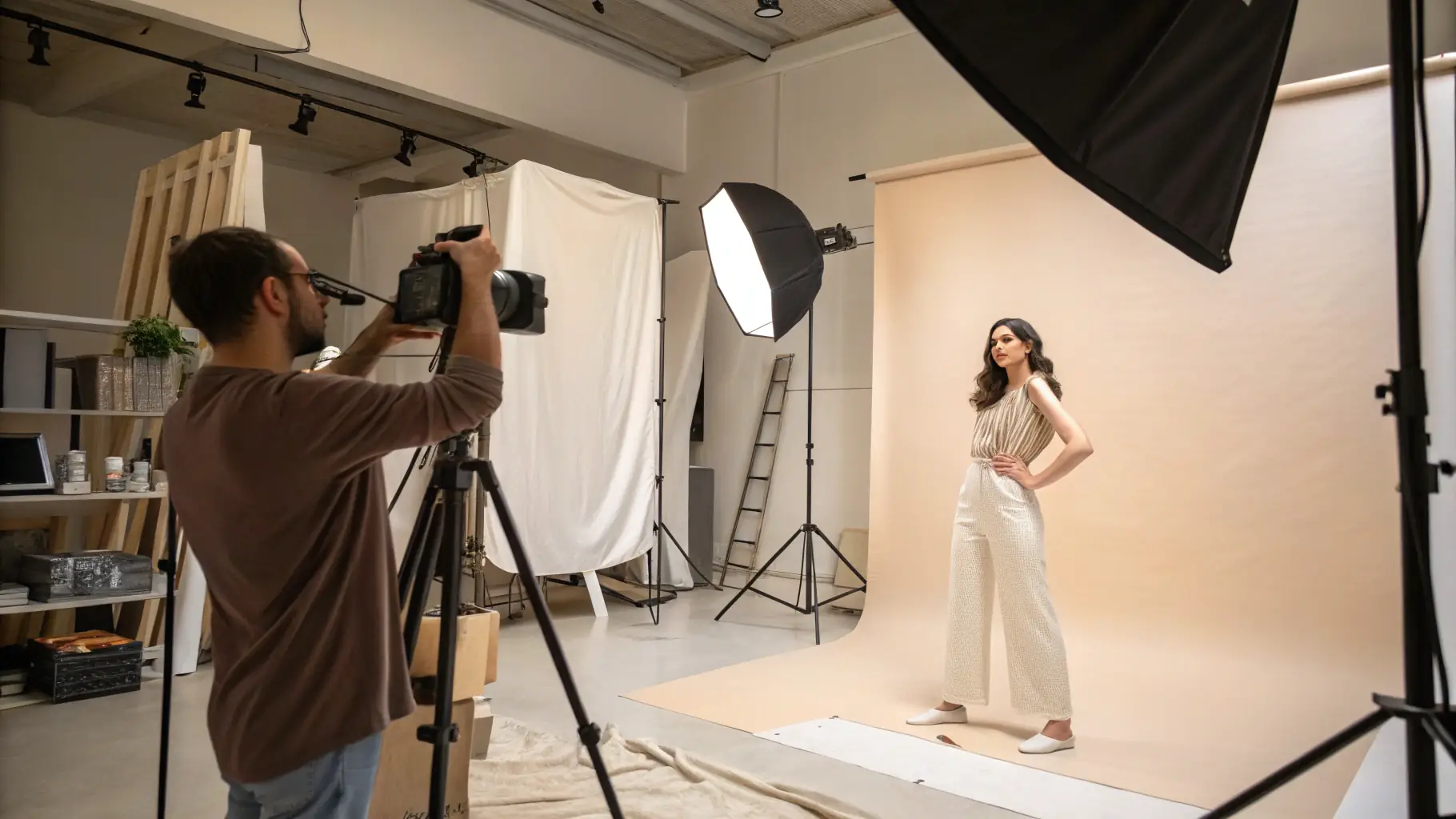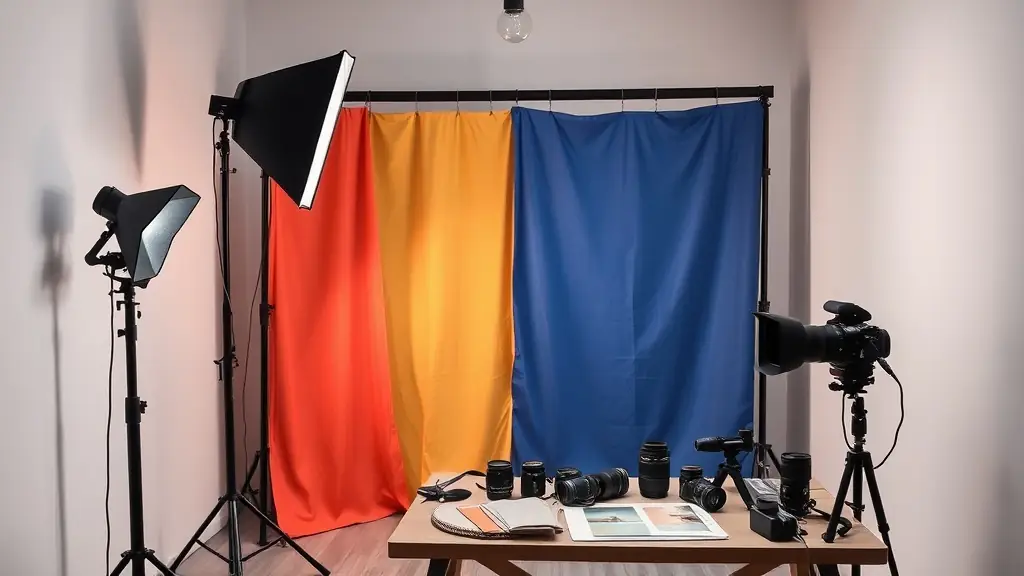
Starting your own photography studio is an exciting step for any aspiring photographer. Whether you want to focus on portraits, product photography, or creative shoots, having the right equipment can make all the difference. Setting up your first studio doesn’t have to be overwhelming; understanding the essentials will help you create professional-quality images from day one.
In this article, we’ll break down the key equipment you need, why it matters, and tips for getting the most out of your studio setup.
1. Cameras and Lenses
Your camera is the heart of your studio. When choosing your first camera, consider:
- DSLR vs. Mirrorless: Both offer high-quality images, but mirrorless cameras are often lighter and offer faster live view performance.
- Sensor Size: Full-frame cameras capture more light and detail, but APS-C cameras are more affordable and still very capable.
Lenses are just as important as your camera body:
- Prime Lenses: A 50mm f/1.8 or 85mm f/1.8 lens is perfect for portraits, offering sharp focus and beautiful background blur (bokeh).
- Zoom Lenses: A 24-70mm lens gives flexibility for different framing without moving the camera.
- Macro Lenses: Essential for detailed product photography.
2. Lighting Equipment
Even if you plan to use natural light, studio lighting ensures consistency and creative control:
- Softboxes and Umbrellas: Diffuse light to create soft, flattering shadows. Softboxes are ideal for portraits; umbrellas are great for quick setups.
- Continuous LED Lights: Allow you to see how light falls on your subject in real time. They are energy-efficient and generate less heat than traditional strobes.
- Speedlights / Flash Units: Provide powerful bursts of light and are portable for on-location shoots.
Tip: Reflectors and diffusers are inexpensive but powerful tools to modify light without extra lighting equipment.
3. Backdrops and Backgrounds
Your background sets the mood and tone of your images:
- Seamless Paper Backdrops: Clean and professional, available in multiple colors. Ideal for portraits and product photography.
- Fabric Backdrops: Offer texture and versatility. Muslin or canvas backgrounds are popular choices.
- DIY Options: Walls, curtains, or even textured boards can serve as temporary backdrops for creative shoots.
A backdrop stand is essential for holding your backgrounds securely.
4. Tripods and Supports
Stability is key for sharp images:
- Tripods: Use a sturdy tripod for product photography, long exposures, or self-portraits.
- Light Stands: Support lighting equipment and modifiers at adjustable heights.
- Clamps and Holders: Useful for securing reflectors, small lights, or props.
5. Props and Furniture
Props add character and storytelling to your photos:
- Chairs, stools, and small tables are versatile for portraits.
- Decorative elements like rugs, frames, and plants can enhance visual interest.
- Keep props minimal at first—quality over quantity ensures your shots remain clean and professional.
6. Editing Tools and Software
Post-processing is essential for professional results:
- Adobe Lightroom: Great for color correction, exposure adjustments, and batch editing.
- Adobe Photoshop: Offers advanced editing, retouching, and compositing options.
- Alternative Software: Capture One, Affinity Photo, or free options like GIMP are also viable.
7. Storage and Backup Solutions
Never underestimate the importance of data security:
- External Hard Drives: Store raw images and projects.
- Cloud Storage: Services like Google Drive, Dropbox, or Backblaze provide off-site backups.
- Memory Cards: Keep several high-capacity, fast cards on hand to avoid running out during shoots.
8. Miscellaneous Essentials
- Light Meters: Help you measure light intensity for precise exposure.
- Color Calibration Tools: Ensure colors are accurate across screens and prints.
- Cleaning Supplies: Keep your lenses and sensors free from dust and smudges.
Tips for Setting Up Your First Studio
- Start Small: Focus on essentials first and gradually expand your equipment as you gain experience.
- Invest Wisely: High-quality basics like a good camera and prime lens often make more impact than many low-end accessories.
- Organize Your Space: Keep your studio tidy and accessible for efficiency and safety.
- Experiment: Don’t be afraid to mix natural and artificial light, try different backdrops, and get creative with props.
Final Thoughts
Equipping your first photography studio doesn’t require an endless budget. With the right essentials—camera, lenses, lighting, backdrops, tripods, and editing tools—you can create professional-quality images that impress clients and build your portfolio.
At Qorima, our studios provide fully equipped spaces designed for photographers of all levels. From natural light setups to professional lighting gear, we have everything you need to start shooting immediately. Book your studio today and bring your creative vision to life.